
Why SEO Campaigns Underperform Despite Consistent Effort
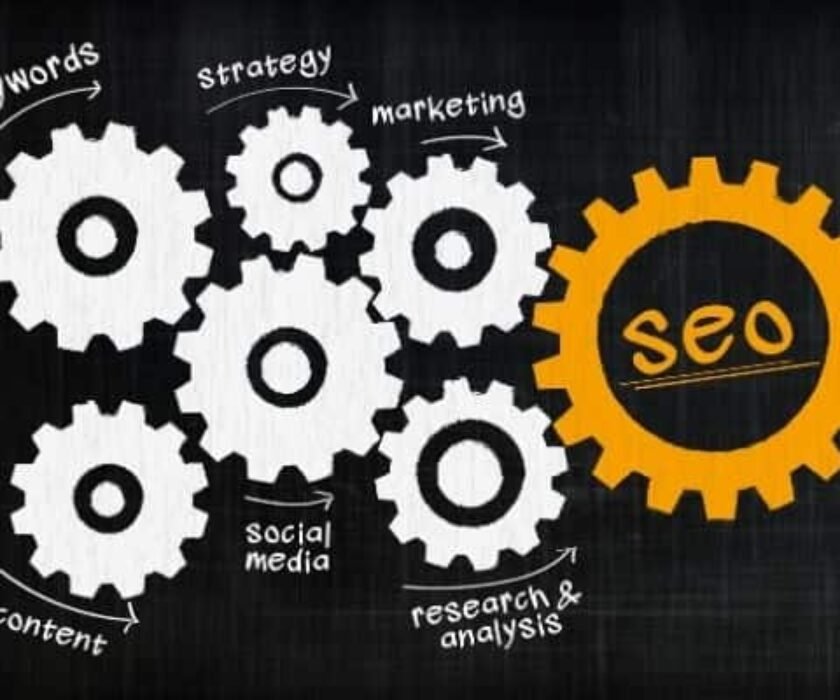
Why SEO Campaigns Underperform is a question many businesses begin asking after months of consistent optimization without seeing proportional business growth. Most companies don’t lose confidence in SEO because nothing is happening. They lose confidence because progress exists, but it is not enough to justify the investment.
In the early stages of an SEO campaign, improvements are often noticeable. Pages get indexed, rankings begin to increase for selected keywords, and organic traffic starts growing. Reports show positive movement, creating the impression that the strategy is on the right track.
Over time, however, growth often slows. Rankings fluctuate, organic traffic plateaus, and lead quality fails to improve at the same pace as visibility. In some cases, performance even declines despite ongoing optimization.
Understanding why SEO campaigns underperform requires looking beyond the amount of work being done. The issue is rarely a lack of effort. More often, it is the result of strategic gaps, technical limitations, content quality issues, or an SEO approach that no longer aligns with how modern search engines evaluate websites.
The Difference Between SEO Activity and SEO Performance
One of the most common reasons campaigns underperform is the assumption that activity automatically leads to results.
Publishing content, optimizing pages, and building backlinks are essential components of SEO. However, when these actions are carried out without alignment, they do not produce stable outcomes.
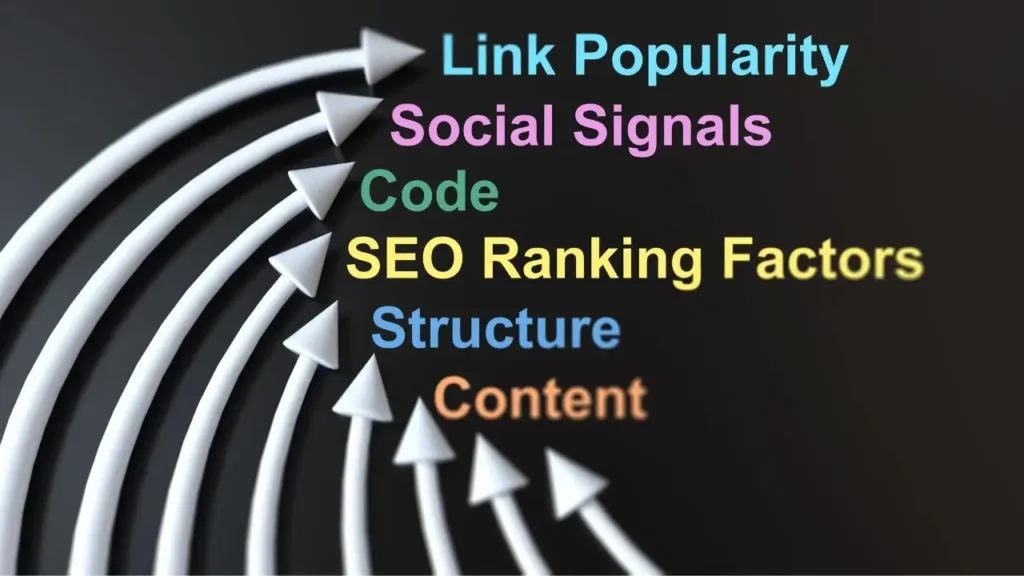
SEO performance depends on how well different signals work together. Content needs to match user intent. Technical elements must support search engine understanding. Internal linking should reinforce relevance. Authority signals must build credibility over time.
When these elements are disconnected, performance becomes inconsistent. A website may show temporary improvement, but sustaining that progress becomes difficult.
Businesses looking to improve long-term outcomes often benefit from structured approaches like SEO services in Hyderabad, where strategy, execution, and performance tracking are aligned rather than handled separately.
Why SEO Campaigns Underperform Even When Rankings Improve
Improved rankings do not always translate into meaningful business outcomes. This creates a situation where SEO appears to be working, but results remain limited. In some cases, the underlying issue is that a website still suffers from broader SEO challenges that prevent sustainable growth, even when individual pages perform reasonably well.
In many cases, websites rank for keywords that generate traffic but do not reflect strong intent. Users visit the site but do not convert because the content does not align with what they are looking for.
In other cases, pages gain visibility initially but struggle to maintain their position due to lack of depth, weak internal structure, or insufficient authority.
Search engines continuously evaluate content based on relevance, engagement, and consistency. If these signals are not sustained, performance gradually declines.
This is why SEO should not be treated as a one-time improvement. It requires ongoing alignment and refinement.
Search Intent Misalignment: A Key Reason Performance Drops
Search intent plays a critical role in determining SEO success, yet it is often misunderstood.
Many campaigns focus on keywords without fully considering what users expect when they search. As a result, content may attract traffic but fail to engage or convert.
For instance, informational content may be used to target commercial queries. While this can bring visitors to the site, it does not satisfy user expectations, leading to lower engagement and reduced conversion rates.
Over time, search engines adjust rankings based on how users interact with content. Pages that do not align with intent gradually lose visibility.
Understanding intent requires analyzing user behavior, not just keyword data. It involves recognizing what type of content users prefer at different stages of their decision-making process.
For businesses evaluating strategy gaps, understanding how to choose an SEO company in Hyderabad becomes an important step in identifying whether intent and execution are aligned correctly.
Why Content Alone Does Not Improve SEO Performance
Content is often seen as the primary driver of SEO, but producing more content does not automatically improve performance.
Without a structured approach, websites tend to accumulate content that lacks connection. Topics may overlap, compete, or fail to reinforce each other, making it harder for search engines to interpret the site’s focus.
Effective content strategy is not about volume. It is about structure. Each piece of content should contribute to a broader topic framework, strengthening relevance and authority.
When content is aligned and interconnected, it supports long-term visibility. When it is fragmented, it limits growth potential.
Internal Linking: The Overlooked Performance Driver
Internal linking plays a significant role in how search engines understand a website, yet it is often underutilized.
It helps establish relationships between pages, distribute authority, and highlight key topics. When implemented correctly, it strengthens overall site structure and improves rankings.
When internal linking is inconsistent or weak, even well-optimized pages may struggle to perform. Content remains isolated, and search engines have limited context to evaluate relevance.
A structured internal linking approach ensures that content supports itself, creating a stronger and more cohesive SEO foundation.
Technical SEO and Its Impact on Performance Stability
Technical SEO is not always visible, but it directly influences how well a website performs.
Factors such as page speed, mobile experience, crawlability, and indexing determine how effectively search engines can access and interpret content.
Even high-quality content may underperform if technical limitations exist. These issues often go unnoticed until performance is affected.
Addressing technical SEO ensures that all other efforts are fully supported, allowing campaigns to reach their potential.
Why SEO Performance Fluctuates Over Time
Fluctuations in SEO performance are common, but they are rarely random.
Search engines continuously update how they evaluate content. Competitors improve their strategies. User behavior evolves.
If a website does not maintain consistency in its signals, rankings can shift. Changes in engagement, content quality, or technical performance can all influence visibility.
This is why SEO requires continuous monitoring and adaptation. Stability comes from maintaining alignment over time, not from isolated improvements.
Common Misunderstandings About SEO
SEO is often approached with expectations that do not reflect how it actually works.
Some businesses expect immediate results, while others assume that once rankings are achieved, they will remain stable without further effort.
In reality, SEO is an ongoing process. It requires consistent refinement and adaptation.
Another common misconception is that increasing effort automatically improves results. Without structure, additional activity can create complexity rather than clarity.
Understanding these nuances helps set realistic expectations and improve decision-making.
How Structured SEO Campaigns Improve Results
SEO becomes more effective when it is approached as a system rather than a series of tasks.
Structured campaigns focus on aligning content with intent, strengthening technical foundations, improving internal linking, and building authority over time.
This alignment creates consistency. Traffic becomes more relevant. Engagement improves. Conversions become more predictable.
Instead of relying on short-term gains, structured SEO builds a foundation for sustained growth.
DIGITALOPS Perspective: What We See Across Campaigns
At DIGITALOPS, a consistent pattern emerges across SEO campaigns in different industries. Businesses often invest in multiple activities but do not see proportional results.
In most cases, the issue is not effort but alignment. Content may not match intent, internal linking may be weak, and technical aspects may be overlooked.
By addressing these gaps systematically, performance begins to stabilize. Rankings become more consistent, and outcomes improve over time.
This reinforces the importance of structure in SEO.
What This Means for Businesses Investing in SEO
For businesses, understanding why SEO campaigns underperform provides clarity on what to focus on.
Instead of increasing activity, the focus should shift to improving alignment across all elements of the campaign.
This includes ensuring that content matches search intent, technical performance supports visibility, and internal linking strengthens site structure. These principles closely align with Google Search Essentials, which outline the technical and content best practices that help websites become eligible for better visibility in Google Search.
For businesses exploring long-term growth strategies, aligning efforts with a structured approach like SEO Services in Hyderabad can significantly improve consistency and long-term outcomes.
Frequently Asked Questions
Why do SEO campaigns underperform even with regular updates?
Because updates without alignment do not strengthen the overall structure. SEO requires coordinated signals, not isolated actions.
How long does it take to improve SEO performance?
SEO typically shows early improvements within a few months, but consistent results take longer depending on competition and strategy.
Can SEO work without content?
Content is essential, but it must be structured and aligned with intent to deliver results.
Why do rankings fluctuate?
Fluctuations occur due to changes in competition, user behavior, and search engine evaluation criteria.
How can SEO performance be improved?
By focusing on structure, intent alignment, technical optimization, and continuous refinement.
Is SEO still effective for long-term growth?
Yes, when implemented correctly, SEO provides sustainable visibility and consistent traffic over time.
About the Source
DIGITALOPS is an SEO agency in Hyderabad, India, working with businesses across India and international markets. The focus is on structured SEO strategies, technical optimization, and performance-driven search campaigns designed to improve rankings and long-term visibility.
The insights in this article are derived from hands-on experience auditing and managing SEO campaigns across competitive industries. By analyzing how search engines evaluate content, structure, and user behavior, this perspective reflects what actually determines consistent SEO performance.